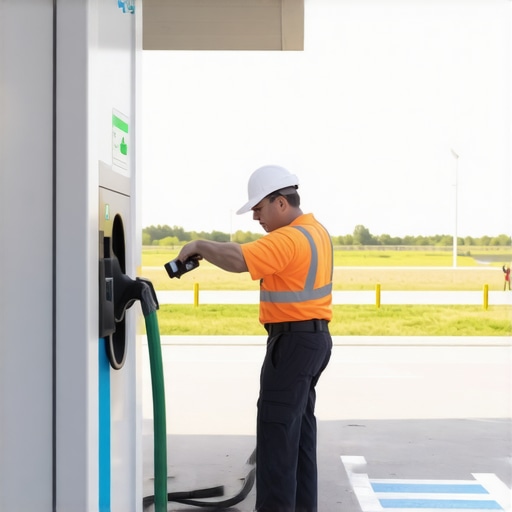

EV Charger Troubleshooting: Expert Tips for Safe Power & Reliability
Imagine rolling home after a long day, ready to plug in your electric vehicle, only to find your charger stubbornly refuses to work. Frustration creeps in. I’ve been there myself—believing I’d done everything right, only to discover a simple oversight was causing the problem. That lightbulb moment taught me the importance of proper troubleshooting and ensuring compliance with electrical standards to keep my home safe and my EV ready to go whenever I need it.
The Real Challenge Is Confidence in Your Charging Setup
It’s a common scenario: your EV charger suddenly acts up, flickering, failing to connect, or delivering inconsistent power. These issues can turn into major headaches, especially if you’re unsure whether your equipment is up to code or safe to use. Addressing these concerns isn’t just about comfort—it’s about safety, efficiency, and protecting your investment. Reliable charging depends on understanding the root causes and applying expert tips to troubleshoot effectively. I know from personal experience that many of these problems stem from overlooked electrical issues or improper installations, which could even pose safety risks if not corrected properly. That’s why I recommend learning how to identify common problems early to save time, money, and peace of mind.
Are We Overhyping The Importance of Proper Power Supply?
When I first started upgrading my home for EV charging, I underestimated the significance of adhering to electrical codes and standards. I thought a quick wiring job would do—a mistake that led to frequent outages and, worse, safety concerns. It wasn’t until I consulted professionals and verified code compliance that my system became dependable. According to the National Fire Protection Association, improper electrical installations are a leading cause of home electrical fires, emphasizing why compliance isn’t optional but essential. This experience underscored the importance of doing things right, from panel upgrades to proper grounding and wiring, to ensure both safety and reliable performance. If you’ve faced similar doubts about your setup, you’re not alone. The good news is that with a few expert tips, you can troubleshoot and resolve most issues confidently, heading off future problems.
Now that I’ve shared how I learned the hard way, let’s dive into some practical steps to troubleshoot your EV charger effectively and ensure your system meets all safety and code requirements. Ready to get it fixed? Let’s begin with the basics and work our way up to a reliable, safe charging experience for you and your family.
.
Inspect Your Electrical Panel Like a Pro
Start by opening your electrical panel and visually scanning for loose connections, burnt components, or signs of wear. I once found a loose wire during a weekend troubleshooting session, which was causing intermittent charging issues. To confirm, shut off power at the breaker, then tighten all terminal screws firmly, ensuring they aren’t loose. If you’re unsure about working inside your panel, consult a licensed electrician. Learn more about panel upgrades here.
Test Your Power Supply with a Multimeter
Next, verify that your outlet delivers stable voltage using a multimeter. Set it to measure AC voltage and check the voltage at your outlet; it should read around 120V or 240V depending on your equipment. Fluctuations or low readings indicate wiring issues or an overloaded circuit. During my troubleshooting, I discovered my outlet was providing inconsistent voltage, which caused charging failures. Fixing this involved replacing the outlet and upgrading the circuit if necessary, always following electrical codes. For detailed guidance, see how to verify code compliance online.
Ensure Proper Grounding and Bonding
Proper grounding prevents electrical shocks and protects your EV charger from power surges. Check that your system’s ground wire is securely attached to grounding rods or grounding bus bars. I once overlooked this step, which led to sudden charger resets. When I tightened the grounding connection following safety standards, the issue ceased. Remember, improper grounding can cause safety hazards; refer to expert troubleshooting tips for detailed procedures.
Verify Your Electrical Code Compliance
Confirm that your wiring, breaker size, and device placement meet local electrical codes. This step is crucial for safety and long-term reliability. I used a professional inspection to verify my installation’s compliance, which not only fixed issues but also provided peace of mind. For specific criteria, review code compliance resources. Remember, violating codes can lead to safety risks and insurance problems.
Check Your Charging Equipment Thoroughly
Inspect your EV charger for any visible damage or loose connections. Remove the faceplate and tighten all wiring connections securely. If the charger displays error codes, consult the manufacturer’s troubleshooting guide. During a past project, I replaced a damaged connector after an echoing fault light appeared, which restored functionality. Always disconnect power before opening your device and follow safety protocols.
Test Circuit Load and Breaker Ratings
Overloading circuits can cause breaker trips and unstable charging. Test the load on your circuit with a clamp meter or observe if other devices cause flickering when charging. I found that my dedicated EV outlet was sharing a circuit with high-power appliances, causing voltage dips. Upgrading to a dedicated circuit and installing a new breaker rated for the load improved my charging reliability tremendously. For more on this, see panel upgrades for EV chargers.
Implement Necessary Panel Upgrades
If your panel is outdated or undersized, consider a professional upgrade. Modern panels can support higher amperage circuits, reduce electrical noise, and enhance overall safety. I opted for an upgrade after consulting expert advice, which included installing a breaker with surge protection. This investment paid off by providing a stable power supply for my charger and other home systems.
Test Your Setup Thoroughly Again
After making adjustments, re-test your entire setup: verify voltage at the outlet, check connections, and perform a test charge. During my last testing phase, I monitored the current flow and observed stable operation for hours. If issues persist, revisit previous steps or consult a licensed electrician. For persistent problems, review troubleshooting guides to identify unseen faults.
Why Overconfidence About Code Compliance Can Lead You Astray
Many homeowners assume that just meeting the basic electrical codes guarantees safety, but that couldn’t be further from the truth. Codes are minimum standards, not foolproof safeguards against issues that could compromise your system’s performance or safety. Understanding the nuances of code compliance requires a detailed knowledge of local regulations and how they interact with your specific installation.
Common Misconception: All Upgrades Are Equal
Some believe that any panel upgrade improves safety and reliability, but in reality, not all upgrades are created equal. A rushed or improper upgrade can actually introduce new risks or fail to solve underlying issues. The key is selecting the right components and ensuring proper installation. For instance, professional panel upgrades can provide a significant boost in performance when done correctly, preventing future trouble.
Beware of the Trap: Underestimating Troubleshooting Complexity
It’s common to think that troubleshooting EV charging problems is straightforward—checking connections and replacing faulty parts—but the reality is often more complex. Hidden faults, like undervalued breakers or subtle wiring issues, can be overlooked. Rushing to replace components without a proper diagnosis can lead to repeated failures. Instead, thorough troubleshooting guided by expert protocols is essential, as highlighted in our troubleshooting tips.
What’s The Hidden Nuance Behind Panel Upgrades That Everyone Misses?
The real sophistication lies in understanding that upgrading your electrical panel isn’t just about installing bigger breakers. It involves ensuring all system aspects are harmonized and compliant, including grounding, bonding, and load balancing. Ignoring these details can leave your system vulnerable to faults or non-compliance issues, which could be dangerous or costly in the long run. Check out expert advice on panel upgrades for a deeper dive into this complex process.
Having correct assumptions about code compliance and upgrades saves you from costly mistakes. Remember, safety and reliability depend on attention to detail. Are you confident your system ticks all the boxes? If you’ve ever fallen into one of these traps, I’d love to hear your story—share in the comments! For precise guidance tailored to your setup, don’t hesitate to reach out through our contact page. Let’s ensure your EV charging system is both safe and efficient!
Ensuring your EV charger remains operational over time requires more than just initial installation; it demands dedicated tools, consistent maintenance routines, and strategic upgrades. I personally rely on a combination of advanced diagnostic equipment and software to streamline troubleshooting and prevent issues before they escalate. One essential tool I recommend is a high-precision clamp meter, which allows me to monitor current loads on circuits without disturbing connections. This non-invasive approach is invaluable for diagnosing overloads or imbalances that can harm your system long-term.
In addition, I utilize specialized multimeters with true RMS capability to measure voltage stability accurately. Voltage fluctuations often go unnoticed with standard meters but can cause repeated charger resets or damage if undetected. By routinely testing outlets with these devices, I stay ahead of potential problems. Combining these hardware tools with reliable software such as PowerAlarm helps me track voltage trends over days or weeks, providing insights into recurring issues that need attention.
Beyond tools, I follow a disciplined maintenance schedule. This includes inspecting all connections for corrosion, testing grounding integrity, and confirming that circuit breakers are rated accurately for the load. For such tasks, I refer to expert guidance from our troubleshooting resource to ensure compliance and safety. Regularly updating firmware on your charger can also fix bugs and improve performance, so I recommend checking the manufacturer’s website periodically.
Looking ahead, the trend is shifting towards automation. Smart monitoring systems embedded in newer panels can alert you to anomalies before costly damage occurs. These systems integrate with home automation platforms and utilize sensors that monitor electrical parameters constantly. In the future, I believe standard home panels will incorporate AI-driven analytics to predict failures and schedule preventative maintenance automatically, revolutionizing how we maintain energy safety and reliability.
So, how do I maintain my EV charging setup over time? Consistent testing with precise tools, scheduled inspections, firmware updates, and leveraging emerging smart technologies form the backbone of my approach. I encourage you to adopt at least one advanced technique—like using a true RMS multimeter regularly—to catch issues early. For detailed guidance on tools that truly make a difference, visit this resource on panel upgrades and keep your system running smoothly.
The Hardest Lesson I Learned About Electrical Compliance and EV Charging
My biggest takeaway was realizing that superficial fixes won’t cut it when it comes to electrical safety. I once believed that just following basic guidelines was enough, but a small oversight led to intermittent charging and safety concerns. It wasn’t until I invested time in understanding local codes and consulting professionals that I discovered the depth of detail required for a truly safe and reliable setup.
Three Mistakes I Swear By to Avoid Trouble
First, underestimating the importance of proper grounding can cause recurring issues and safety risks. Second, assuming that upgrading my panel without verifying load capacity was enough—until I faced unexpected breaker trips. Third, relying solely on visual inspection without comprehensive testing led me astray; real peace of mind comes from using reliable diagnostic tools like multimeters and clamp meters. These lessons highlight that thorough, proactive measures outperform quick fixes.
Tools and Insights That Changed My Approach
I rely heavily on a high-quality true RMS multimeter to check voltage stability and a clamp meter for monitoring circuit loads. These tools help me catch potential problems early, saving time and money. Additionally, I trust resources like expert guides on panel upgrades and troubleshooting tips for EV chargers to stay informed about best practices. These references have become cornerstones in my reliable maintenance routine.
Your Next Step Is Embracing Continuous Vigilance
Maintaining a safe and dependable home charging system isn’t a one-and-done task—it’s an ongoing process that benefits from regular testing, updates, and staying informed on the latest standards. Equip yourself with the right tools, consult trusted resources, and don’t hesitate to seek professional help when in doubt. The future of EV charging safety is proactive, so take charge today to protect your investment and loved ones.
Have you ever overlooked a small detail that caused big problems with your electrical setup? Share your story below—I’d love to hear how you overcame it or what you wish you had known earlier!
,
Reading through this comprehensive guide really highlights the importance of not just installing an EV charger, but maintaining and troubleshooting it with care. I recall a time when a loose wire in my electrical panel caused intermittent charging issues, which was frustrating until I took the time to properly inspect and tighten all connections. It made me realize how overlooked small details can cause big disruptions. Plus, I agree that using the right diagnostic tools, like a true RMS multimeter and clamp meter, makes a huge difference in identifying hidden problems early. Has anyone here implemented smart monitoring systems into their home charging setup? I’m curious if these tech advancements truly help in catching issues before they escalate, or if they still require regular manual inspections.